
The Bluestocking, vol 270
‘It’s affecting me mental health, innit?’
Happy Friday!
A very Westminster-focused newsletter this week, because I spent the first half of the weekend at the National Conservative conference, being exhorted to go to church, have more babies and not be an immigrant. The highlights included watching YouTube free speech superstar Konstantin Kisin getting turned away from the strictly-no-media-allowed VIP lunch because he had a press pass, only for him to protest that he was co-hosting the lunch with the conference organiser James Orr. It’s touching how quickly the new media has recreated the old cosiness of lobby journalists with their subjects.
Also it turns out that a forum where everyone loudly proclaims their opposition to identity politics leads to some absolutely cracking manels:

You can read my report on NatCon at the Atlantic:
Now, carping sorts might say that any phrase beginning with national and ending with -ism carries unfortunate echoes of the 1930s, and in branding terms should therefore be avoided as a political slogan, along with, say, “We make the trains run on time” or “Work makes you free.” Silence, peon: At NatCon’s invite-only dinner, the British commentator Douglas Murray had a different take. Nationalism is unfairly maligned; the real problem was those rascally Teutons taking everything too far as usual. “I see no reason why every other country in the world should be prevented from feeling pride in itself because the Germans mucked up twice in a century,” he said in a clip released by the official NatCon Twitter feed.
Until next time,
Helen
Programming note: I’ve been reading too much Matt Levine, and now do programming notes. The Bluestocking will be taking a break next week. I have another piece going up this weekend on The Atlantic if you get withdrawal symptoms.
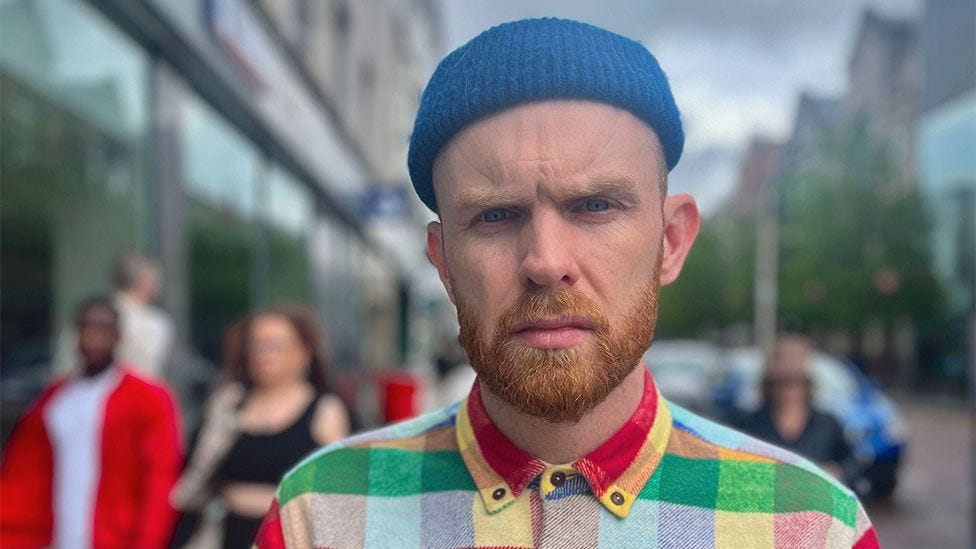
I Don’t Have ADHD, But Three Private Clinics Say I Do (BBC)
A friend of mine—who had been privately diagnosed with the condition—had once suggested to me that I might have it too. Some of ADHD's recognised symptoms felt uncomfortably familiar—I can forget things, I fidget, I will on occasion zone out of long meetings.
My social media feeds had been filling up with videos talking about ADHD and I could relate to them. But on the whole, I was dubious about whether they related to me. None of these things seemed to really impact my life.
[…]
This whole investigation began when Panorama received an email from a concerned mother. She had written to us to say she felt her 21-year-old daughter had been diagnosed too quickly by a private clinic and that it had prescribed her strong drugs with no proper follow-up care.
As I started to research the subject - speaking to NHS staff, specialists, academics, former patients and whistleblower staff at private clinics - I heard a common refrain.
"If you're willing to pay for an assessment, you'll get a diagnosis."
Over the last year or so, I’ve noticed many people—mostly successful middle-aged men—announce their ADHD diagnosis on Twitter and assert that finally they understand themselves, that this condition explains feelings they’ve always had but have never been able to identify. It has happened often enough that it doesn’t feel like a statistical fluke. Either the people I know are unusually neurodivergent, or something else is happening.
This BBC piece—plus this Atlantic article on the “wild west” of Adderall prescription in the US—suggests there is a real over-diagnosis problem. And perhaps, as Dr Kate Womersley suggests, a simultaneous under-diagnosis problem. Really troubled people are languishing on NHS waiting lists, while people whose ADHD has not prevented them from getting a good job can afford to go private, where the drugs are dispensed pretty much on demand. (One good question to ask these private providers would be: how many patients do you see who you don’t diagnose with ADHD?) Some therapists now also assert that trauma can lead to ADHD and ADD—Gabor Maté did so in his live therapy session with Prince Harry in March, based on reading Spare.
I know several people who have been diagnosed with ADHD after an intensive process, and even some of them say that the drug regime is tough going—hardcore stimulants give you focus, but at the cost of heart palpitations, difficulty sleeping and irritability. They are very relieved to have the diagnosis, but ambivalent about the treatment. For that reason, we should ask a) do the drugs we prescribe help everyone they are given to? b) are patients fully informed about the side-effects? c) could they have learned to manage their symptoms with therapy, or even accept milder ones as part of normal human variation?
And yes, this discussion is very reminiscent of similar debates I’ve covered about gender dysphoria and functional tics. People are really suffering, but the answer medicine is giving them can still be challenged.
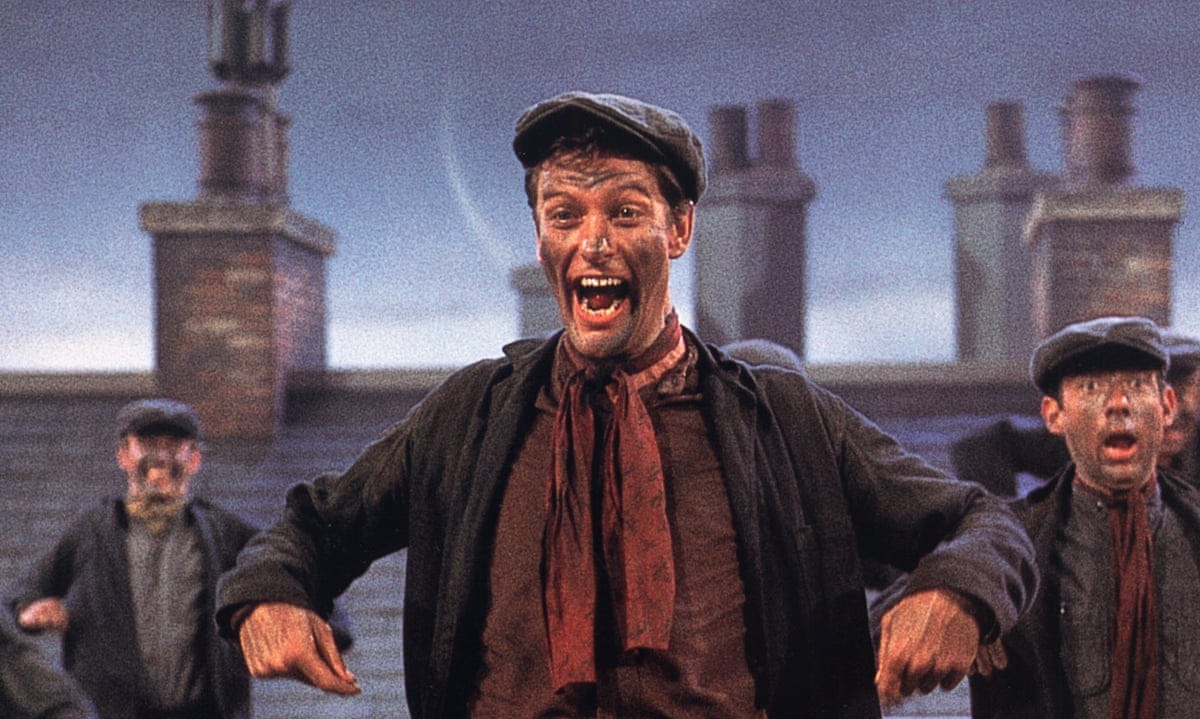
Why are so many young Americans adopting fake British accents? (Guardian)
Brinton Parker, a 30-year-old who lives in the Bay Area, works in tech marketing. The deluge of bad news out of Silicon Valley has her feeling like she’s approaching burnout, and she recently asked her manager for support at work.
“I said, ‘It’s affecting me mental health, innit?’” she explained. “And my boss was like, ‘Why did you say it like that?’ I think it adds levity to a vulnerable situation. The tougher the conversation, the more Cockney I become.”
For Critter Fink, a 26-year-old New Yorker who works in high-end retail, speaking in a British accent can soften the blow of a dark joke. “When you slightly change how you say things with a little accent, it gives you space from a stressful thing,” they said. “It’s similar to when you add “lol” to the end of a dramatic text – it gives you distance.”
Jessie Brown, a hairstylist in Brooklyn, will pop into a British accent when they feel they’ve overshared with a client during an appointment.
This is a hate crime, “Critter.”
Quick Links
“My question is, why do we know more about Juba’s elephants than about his wife?” Mary Beard on Cleopatra Selene, daughter of the Cleopatra (The Atlantic).
“As Starmer sees it, Labour needed a sharp break from Corbyn after its electoral decimation in 2019. ‘If we simply appeal to the same people who voted for us last time or to our party members, we’ll lose the next election—and that’s the blunt truth of it,’ he says. But not everyone has welcomed this shift. Under Starmer, Labour’s leftist flank has been ‘completely marginalized,’ says Matt Zarb-Cousin, a former Corbyn spokesperson who has since left Labour for the Green Party.” My former colleague Yasmeen Serhan profiles Steer Calmer (TIME).
“Every month, more than two hundred people from the media, academia, and other intellectual circles are invited to a private hangout in New York City, which is known as the Gathering of Thought Criminals. There are two rules. The first is that you have to be willing to break bread with people who have been socially ostracized, or, as the attendees would say, ‘cancelled’—whether they’ve lost a job, lost friends, or simply feel persecuted for holding unpopular opinions.” (New Yorker).
Owen Jones wants a hung parliament because Keir Starmer is so dangerous that only the steady moderating hand of Ed Davey can rein him in (Guardian).
“Sir Keir clearly recognises the housebuilding famine in this country for what it is: a drag anchor on economic growth, the enemy of aspiration and a dangerous bar to social cohesion. To that end he has pledged to restore the target of 300,000 new homes a year, abolished by shortsighted Tory MPs opposed to any development at all. And he has dared to admit what has long been obvious to those thinking seriously about the housing crisis: it is time to look again at the green belt.” A Times leader in favour of housebuilding. Maybe …? Could it be? <whispers> Thiiiiiiings . . .
“I wish I could take a break for eight weeks and make a film at the same time [laughs]. The whole world has opened up to me, but it’s too late. It’s too late,” Scorsese said. “I’m old. I read stuff. I see things. I want to tell stories, and there’s no more time.” (Film Stage)
Ben Ansell has built an election-prediction app (Substack).
The Tate has decided that Marlow Moss, a butch lesbian whose girlfriend called her “she”, was actually a “they”. This is so regressive! Stop going through all the non-conforming women of history and declaring that if they were really women they would have let us know by having long hair and sleeping with men!
See you next time!
A lad at the supermarket meat counter in Madison, Wisconsin, greeted me with his best Dick Van Dyke. I asked him (laughing) to please give me a break. He cheekily told me I should do the same. I was about to get formidable when it dawned on him that I'm actually British. He avoids me now.
What’s the collective noun for the frozen-out “thought criminals”. An arctic circle?